Here’s what an identity crisis taught me about creative blocks
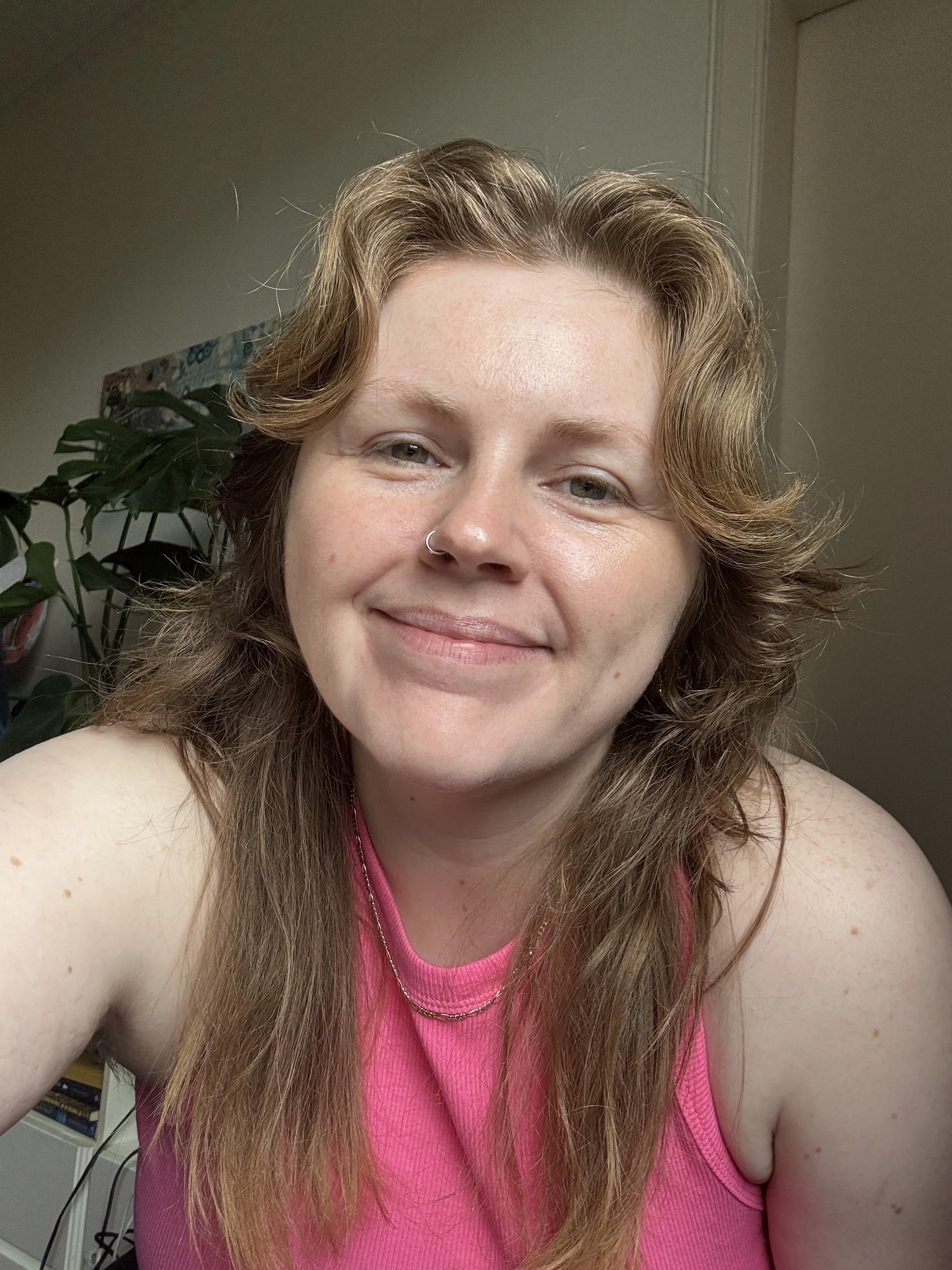
“When I have an identity crisis, I won’t tell anyone, but there will be signs.”
Disappointingly for me, the early signs were vaginismus leading to full-body chronic pain with no discernible cause.
But the good news is that a year of unexplained illness was an emotional response to an internal identity shift, and when I realised the truth (I’m a lesbian), the pain naturally disappeared on its own.
However, that was really just the beginning of a prolonged, painful, rewarding, and still ongoing identity crisis. Since I came out, many of the touchpoints that made up my identity (being married, thinking I was straight, owning a home, my friendship circle) have changed dramatically.
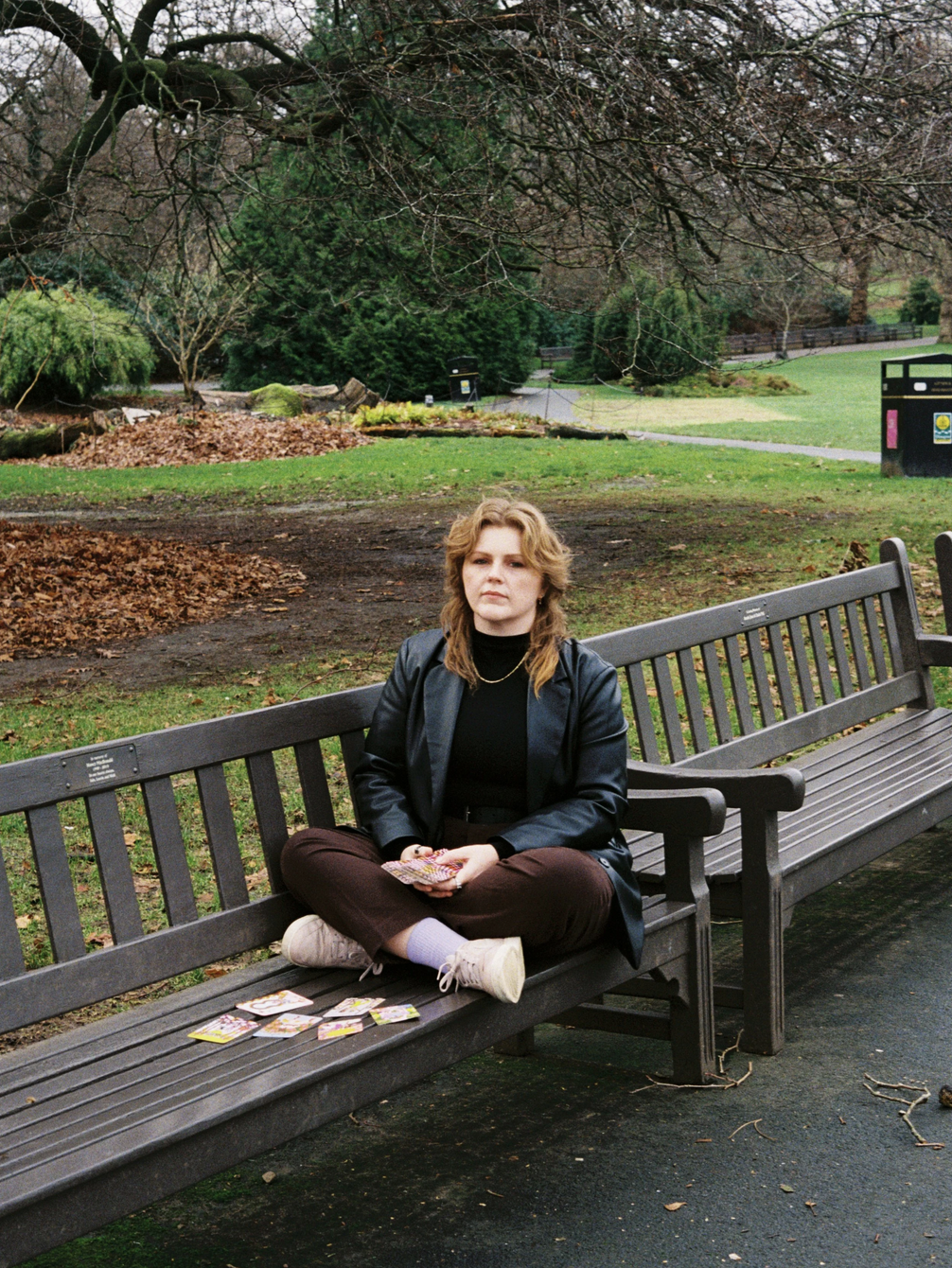
Plus, my career (let’s be honest, the big shiny jewel on my identity crown) has shifted from self-employment to working full-time for Happiful magazine, and my freelance writing work has been replaced with reiki and tarot readings.
All. Change. Indeed.
It’s been a scary and uncertain time, but through it all I foolishly believed that I could always rely on my love of writing as a way to express myself.
I thought I’d always have new ideas, books, and essays begging to be brought to life, but for the first time in my decade-long career as a writer… I hit a creative block.
what is a creative block?
For this essay, I define a creative block as a mental or emotional obstacle that may or may not have a nameable cause, that is stalling an artist’s progress.
I’m kind of embarrassed to admit this, but I thought that for most writers, creative blocks were just unconscious excuses to avoid doing any actual writing, mostly due to fear of discovering you aren’t as talented as you imagined or that others will judge you.
But I’ve since formed a different view on creative blocks.
Because from where I’ve been standing – in the eye of the ‘identity crisis’ storm – I can see that I’ve been not only misinterpreting creative blocks, but also failing to detect them when they appear.
In a bid to help you along the way, and make sense of my own experience, here’s what I’ve learned:
1. Creative blocks are more complicated than just fear
I used to think creative blocks were always rooted in fear.
Working with hundreds of budding writers over my career has allowed me to witness firsthand the way that fear impedes the creative process.
The fear of your writing being seen, ridiculed, or worse, completely ignored can be enough to make the act of writing a terrifying prospect.
I’ve helped writers conquer their fears and put pen to paper, and more often than not, we did that through a sort of collective willpower.
We would gather together on Zoom, I would provide prompts and set a timer, and together we would write.
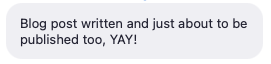
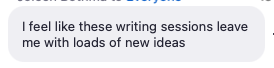
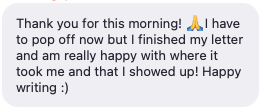
The testimonials speak for themselves: we really did break through creative blocks together, we faced our fears of writing, and we wrote, and we wrote, and we wrote.
But now I wonder, is the act of writing really tangible proof that the creative block has been overcome?
Because for the last few years, I’ve written thousands of journal entries, a few blog posts, and hundreds of articles for work.
But if we go back to my definition of creative blocks, even though I’ve been writing, there has been an emotional obstacle stalling my artistic progress.
That realisation alone has made me question whether my previous approach to ‘writing through the block’ is the only way to restore progress.
2. Pushing through a creative block isn’t always the solution
Almost every conversation I’ve had with writers about their creative block has been centred around one very clear aim: How to fix the problem.
My seemingly failsafe solution has always been to keep on writing – I had seen it work for so many clients – and that’s exactly what I did.
Poems, captions, articles.
Quippy little notes, screenplay ideas, characters with fully-fledged backstories.
I filled journals and hard drives.
Visualised book signing events, me, doused in praise.
I kept writing because…. I had to.
Writing was who I was, and without it, who would I become? I wrote as a way to prove that I wasn’t losing this specific part of myself. But underneath, all the complex feelings of grief, heartbreak, self-betrayal, and thoughts of what could have been were slowly accumulating and calcifying in a way that led to a tipping point.
The tipping point came when I had a pamphlet of poems, a year in the making, ready to be printed.
I pulled out last minute because it all just felt incredibly… wrong.
But I was so confused. The writing was still happening. Why didn’t it feel like I was creating anymore?
3. Creative blocks are often masked by productivity
After cancelling the poetry pamphlet, I began to spiral.
My writing career was over, surely.
Everything I tried to write felt like a performance; I couldn’t construct anything ‘presentable’ without running it through ChatGPT for ‘feedback’ first.
I was beset with proving that my relationship with writing was still something I could rely on as an emotional outlet, but something just wasn’t clicking.
It was only in looking back at the work I had created, in zooming out from the last few years, that I can see now how little of the work I had produced really felt like a true representation of me.
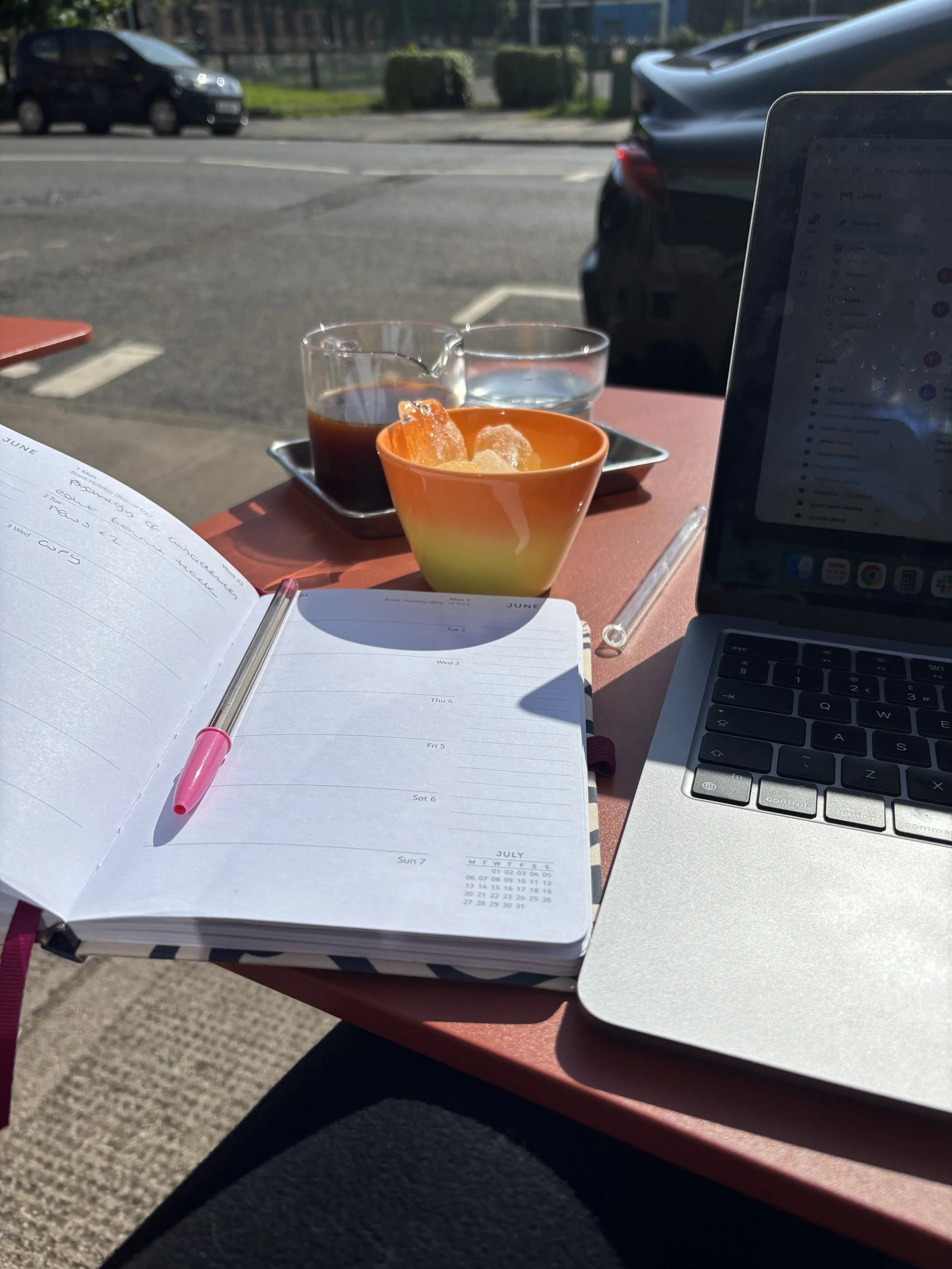
The block had been there, hiding in plain sight. I knew it.
Even though I didn’t want to admit it, which is why I insisted on continuing to write, write, write. Because the performance of writing allowed me to pretend like life was good, life was normal, when it was anything but.
Underneath my incessant tapping on keys, I was beginning to realise that going through an identity crisis doesn’t put you in the best position to communicate your art to the world, because your art is you, and if ‘you’ is in flux… well, it can add to your distress when you’re unable to articulate your vision as clearly as you once could.
4. Creative blocks always carry a message
One of the biggest lessons I’ve learned through coming out is that we can sense far more than we give ourselves credit for.
In fact, it’s actively conditioned out of us. Women, especially, are taught to diminish our own physical experience, ignore intuitive feelings, and act in direct opposition to the rhythm of our natural cycles.
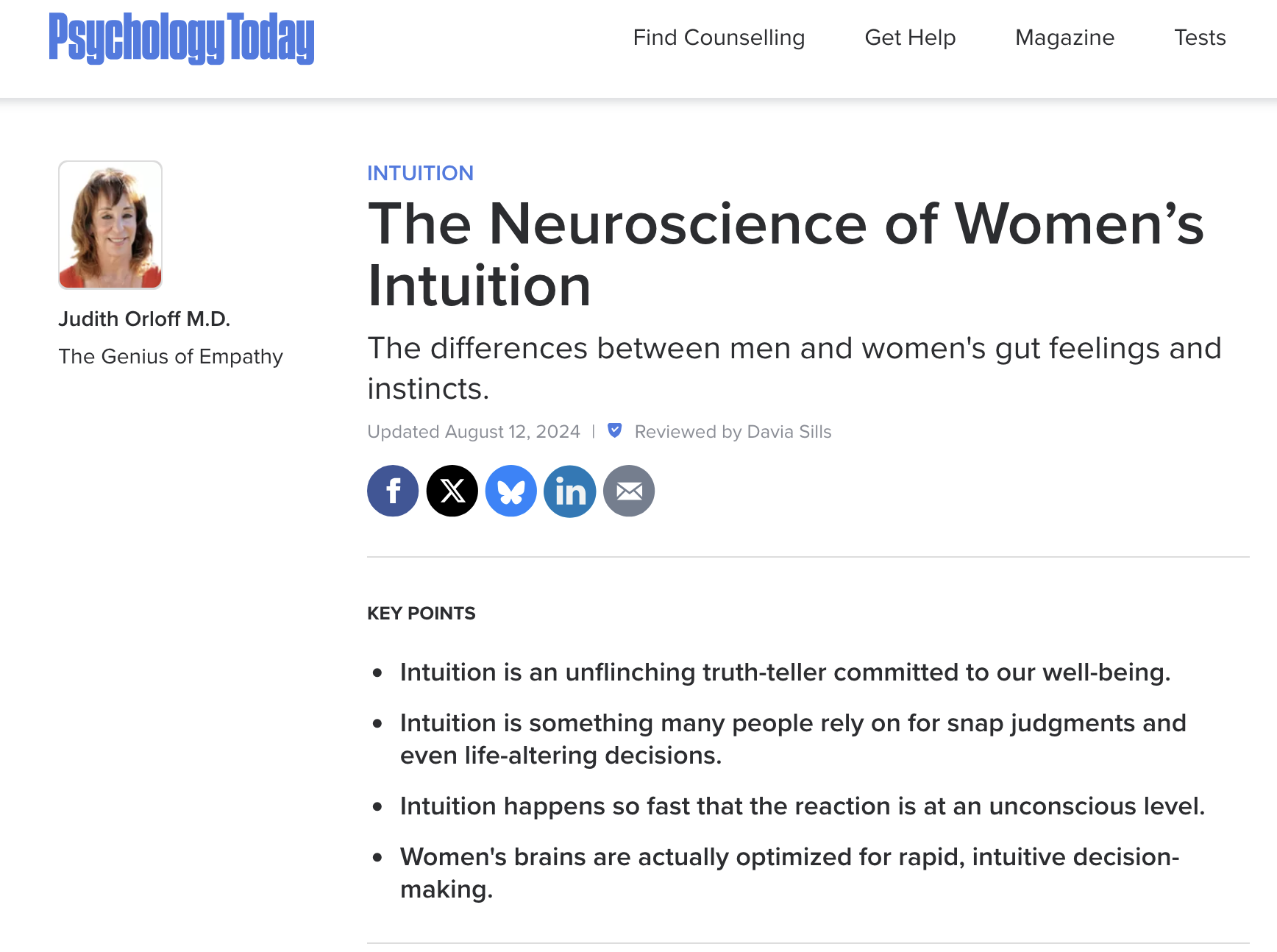
Creative blocks, like other forms of intuition, are information to be sensed.
Sometimes they are your spirit setting a boundary, an invitation to realign with yourself before going any further.
Sometimes it’s your brain asking for rest.
Sometimes it’s your inner child asking to play instead of make.
My creative block was telling me, had been trying to tell me for years: Stop forcing this.
In the same way that I had been unconsciously forcing my queer self into a socially acceptable ‘straight woman in a straight marriage’, I was now repeating the pattern by trying to force myself to create something meaningful when I was busy struggling with finding meaning in my actual lived experience.
I was trying to say something cool before I had figured out what I actually want to say.
So I started listening.
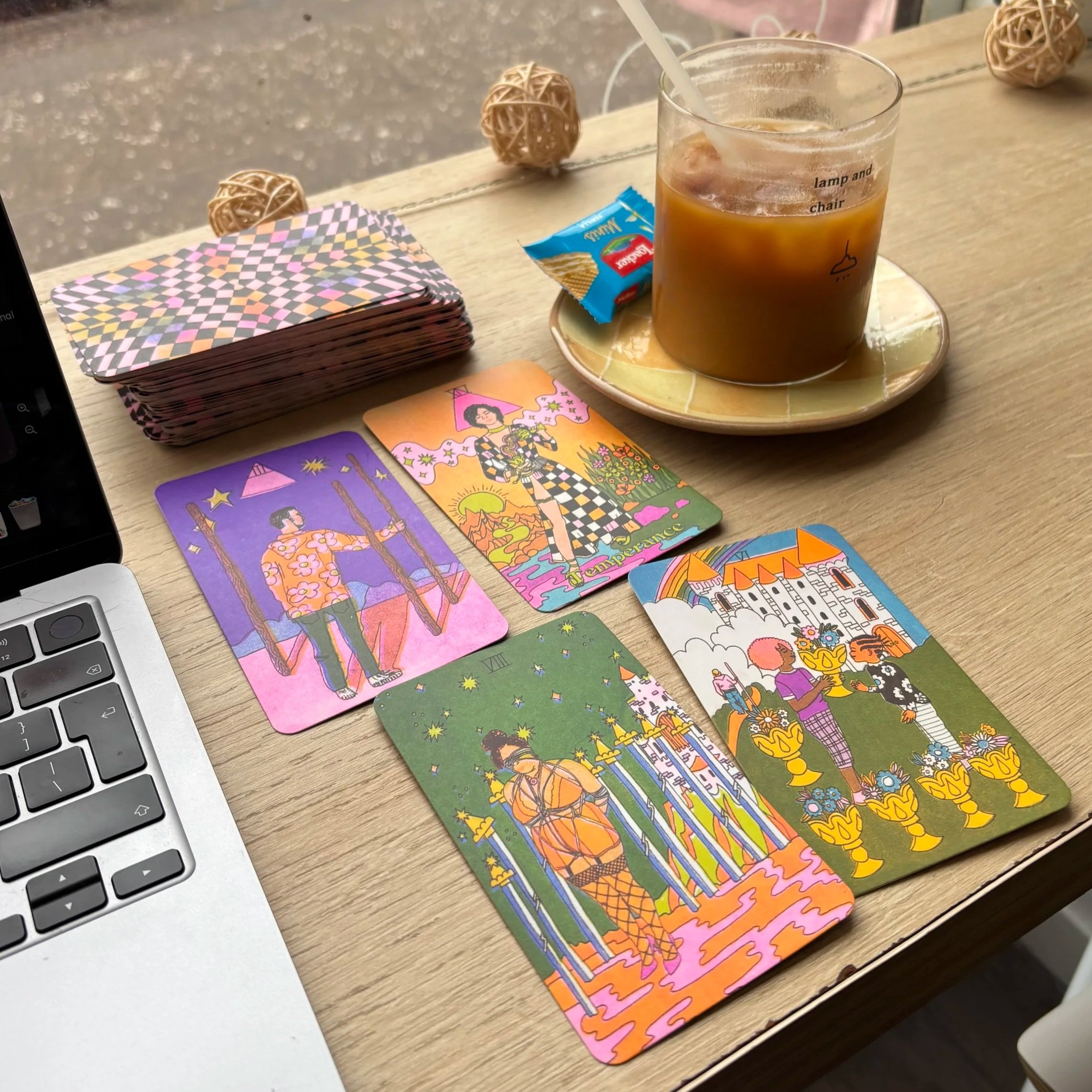
Through my energy work, through meditation, through therapy, and through my body, through deep conversation, staring at the clouds, and staring at the horror of our world. I started listening through to the bliss of queer romance, a home-cooked plate of food, through choosing solitude.
I listened through acknowledging my anger, and I listened to what it felt like to turn that anger into self-compassion. I listened, looking up from my phone and observing the people who were still looking down.
I chose to pull back instead of continuing to push, and learned that it’s OK to reduce your creative output when you are recalibrating who you are on a fundamental level.
Maybe the message that some creative blocks are trying to deliver is this: the artist inside is still being revealed, and so the art itself cannot yet be made.
Getting comfortable with creative blocks
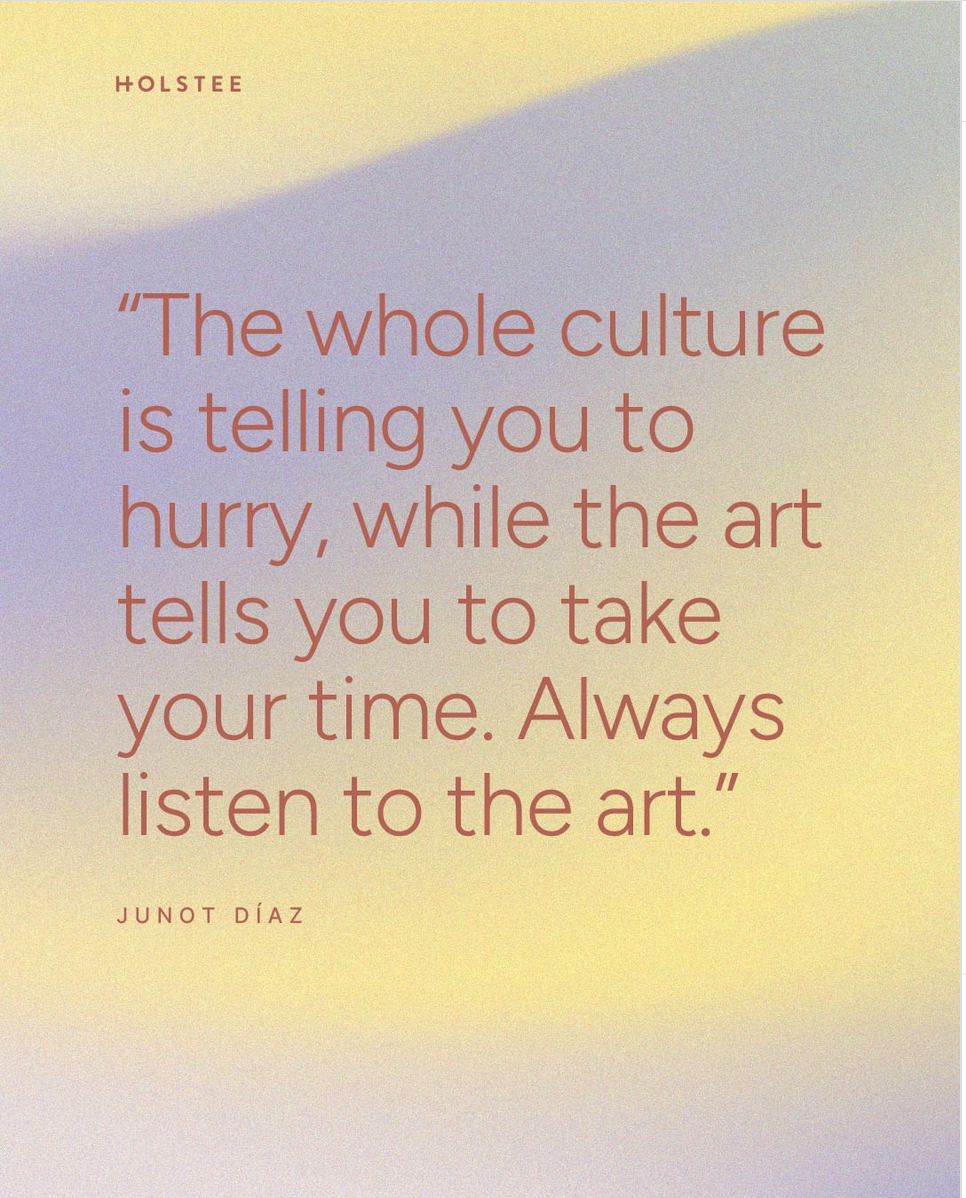
This act of waiting, this acceptance that the creative process happens on its own sacred timeline, is something that we are conditioned to actively deny.
Capitalism wants us productive. It demands consistent output, regardless of how creatively true that feels for the human expressing the art.
We are encouraged to move fast, but creation does not have a consistent or predictable speed.
Most of us, myself included, choose to move as fast as possible.
We don’t give ourselves a chance to hear the message because we’re too distracted by the inner monologue that says we must be ‘in the act’ of creation to call ourselves creative.
We push on under the false assumption that output is the only proof you are an artist.
5 things that have helped me with creative blocks
Explore or continue to explore your connection to self. Through tarot, therapy, Buddhist teachings, self-help books, or meditation. The more you connect with yourself, the more you’ll discover. This is where the purpose and meaning in your art originates.
Try other mediums. Often we frame our writing as our sole creative outlet, but language has so many limitations. For me, trying to write my life linearly made me feel a bit crazy. All my writing was stream of consciousness – intense and hard to mould into a story. As alternatives, I’ve enjoyed using collage, paint pens, junk journaling, and watercolours to access my creative energy without the pressure of precise articulation.
Do somatic work. All I mean is connect to the body. When you spend too much time up in your head, you will overthink and repeat those well-worn neural pathways that impede you from trying new things. I love Reiki for connecting with the body in a way that is nourishing, but walking, yoga, and any kind of intuitive movement is helpful here.
Build up the muscle of presence. One of the hardest parts of a creative block is accepting the not knowing. We can feel absolutely terrified that we’ll never create again, and that pushes us into action as a way to prove we are capable. The medicine is to sit in that discomfort of not knowing.
Consume consciously. Taking a break from writing doesn’t mean you should scroll on social media as a ‘rest’. Instead, fill your creative cup with inspiration from other writers. Try reading outside of your usual genre to challenge your idea of where your creative process might be heading. Go to an art gallery, a show, a zine festival. Soak in creativity.
Ask yourself: who benefits from me rushing through this creative block? The truth is that pushing through a creative block is often a response to the fast-paced nature of digital culture. You do not exist to feed an algorithm.
I suppose when it comes down to it, we’re really talking here about the capacity to trust in your ability to survive a period where you’ve lost your spark.
And I think when it comes to creative blocks, it’s that self-trust that requires more attention than the spark itself.
Here’s what I think no one is willing to admit. It takes a level of courage to trust yourself to live through an internal crisis, because it requires you to sit with your body and mind in a way that can feel confrontational.
But once you break through that discomfort, even if it’s just for a few minutes as you stare at the leaves falling past your window, or hold a hand on your chest as you grieve the you that is leaving, you see that you can sit with yourself through uncomfortable emotional and physical experiences.
And you can actually become your own pillar of support along the way.
To put it plainly, I believe ‘creative blocks’ are not really an obstacle to overcome. They are, if we treat them as such, a portal to a more expansive and fulfilling creative relationship with ourselves.
